

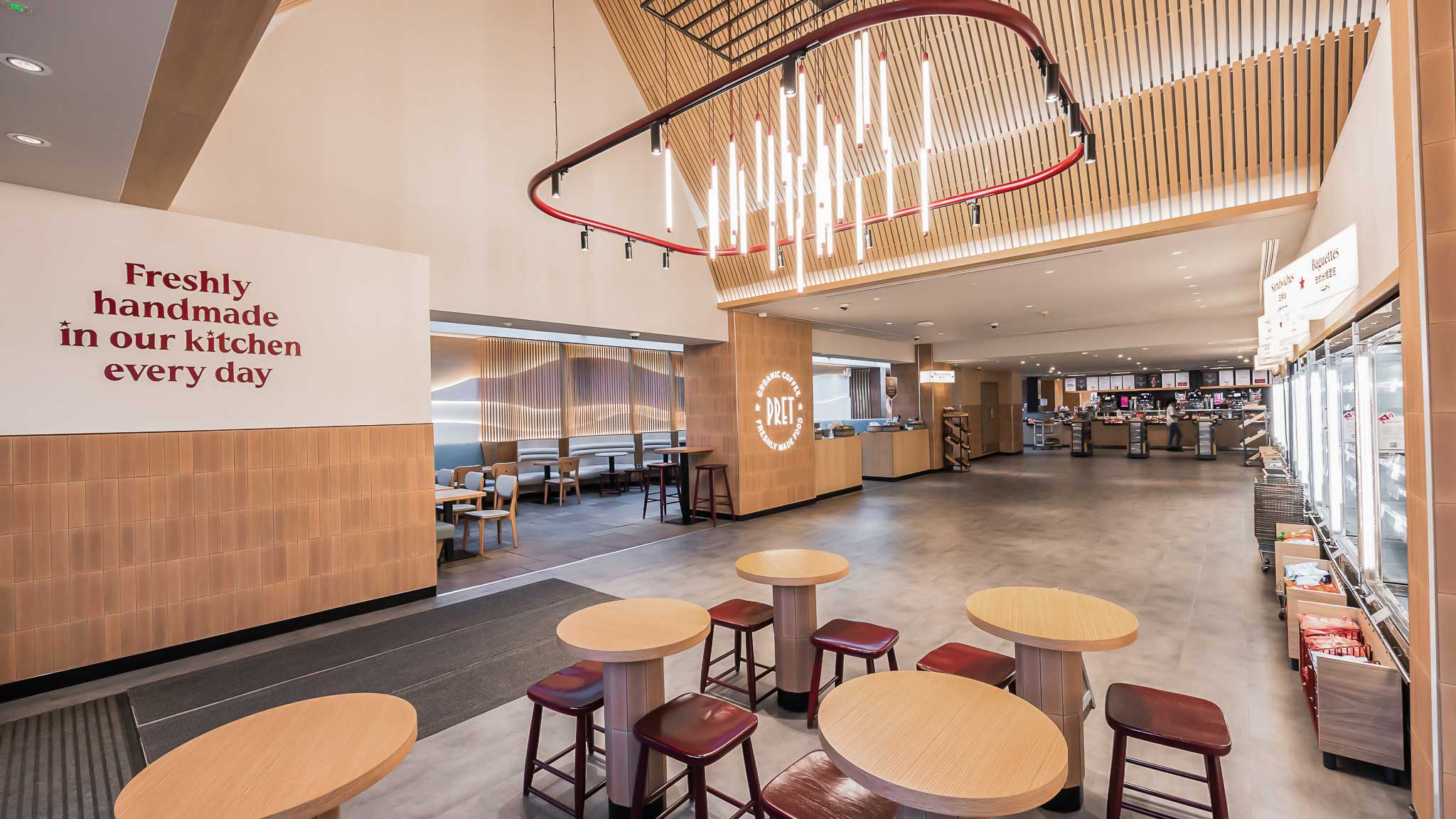
Lighting has a significant influence on how customers experience retail spaces. It shapes first impressions, affects how products are perceived and influences how long people spend within an environment.
In retail and showroom design, lighting is not simply functional. It is a strategic tool used to guide movement, create atmosphere and reinforce brand identity.
As retail environments continue to evolve, lighting design has become increasingly important in shaping customer behaviour and supporting commercial performance.
First impressions matter
The first few moments inside a retail environment are critical. Lighting plays a central role in how welcoming, premium or accessible a space feels.
Bright, evenly balanced lighting can create clarity and openness, while layered and more atmospheric lighting can encourage slower browsing and a stronger emotional connection with products.
For luxury retail and showroom environments particularly, decorative lighting is often used to establish tone and identity from the moment customers enter the space.
Guiding movement through the space
Lighting can subtly direct how customers move through a retail environment.
Accent lighting is often used to draw attention to hero products, feature displays or key architectural elements. By creating focal points, designers can naturally guide customers through the space without relying heavily on signage.
This is particularly effective within showrooms, where product discovery is a key part of the customer experience.
Creating atmosphere and brand identity
Different lighting approaches create different emotional responses.
Warm lighting tends to create a more relaxed and premium atmosphere, while cooler lighting can feel more functional or contemporary. The right approach depends on the type of products being displayed and the wider brand identity.
Decorative lighting also contributes significantly to atmosphere. Sculptural pendants, wall lights and layered lighting schemes can all help reinforce the visual language of the space.
The role of layered lighting in retail design
Layered lighting is essential within modern retail environments.
Ambient lighting provides the overall illumination of the space, task lighting supports specific functions such as tills or fitting areas, and accent lighting highlights products and focal points.
By combining these layers, retail spaces feel more dynamic, flexible and engaging.
This also helps avoid the flatness often associated with purely overhead lighting schemes.
Flexibility within retail environments
Retail layouts frequently evolve. Seasonal displays change, products move and different areas may need to adapt throughout the year.
Flexible lighting systems allow these changes to happen more easily. Adjustable track lighting, dimmable fittings and portable lighting solutions all help support more adaptable retail environments.
This flexibility is increasingly important as retailers look for ways to create more immersive and experience-led spaces.
Supporting customer experience
Ultimately, retail lighting design should support how customers feel within the space.
Effective lighting can:
- Encourage longer browsing times
- Improve product visibility
- Create a stronger emotional connection with products
- Reinforce the overall brand experience
When carefully considered, lighting becomes a key part of the customer journey rather than simply a background element.