

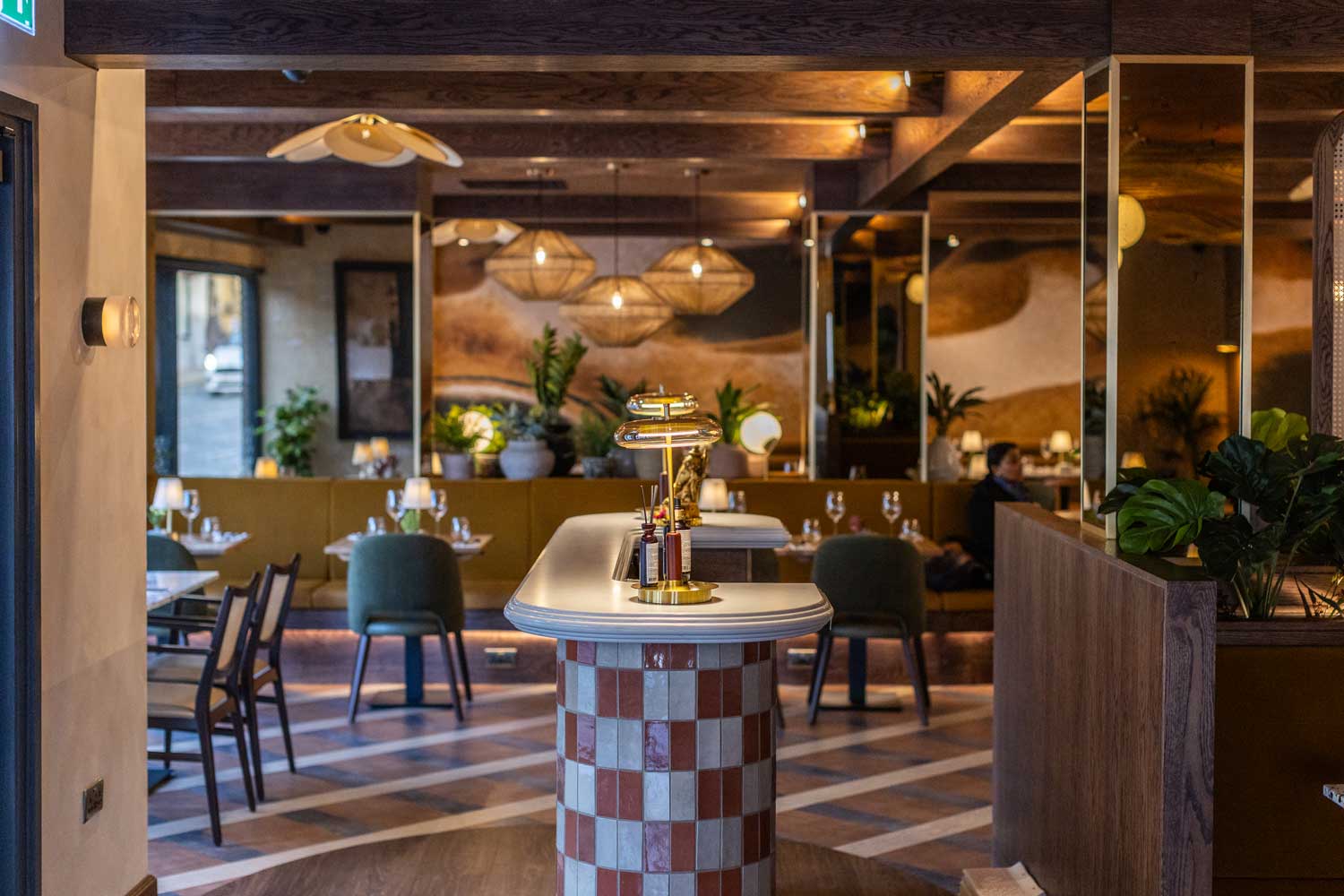
Layered lighting is one of the most important principles in commercial interior design. While a single overhead light may technically illuminate a space, it rarely creates the atmosphere, flexibility or visual depth required within modern hospitality and commercial environments.
From hotels and restaurants to retail and workspace interiors, layered lighting allows designers to shape how a space feels, functions and evolves throughout the day.
At its core, layered lighting is about combining different types of light to create balance and flexibility within a scheme.
Understanding the layers
Most layered lighting schemes are built around three key elements:
- Ambient lighting
- Task lighting
- Accent lighting
Ambient lighting provides the overall foundation of illumination across the space. This might include recessed lighting, decorative pendants or architectural lighting integrated into the ceiling design.
Task lighting supports specific activities. In hospitality settings this could include table lighting, bar lighting or reception desk illumination. In workspace environments it may involve desk lighting or focused lighting within meeting areas.
Accent lighting adds depth and atmosphere. This is often used to highlight architectural details, materials, artwork or key focal points within the interior.
Individually, each layer serves a purpose. Together, they create spaces that feel more dynamic and considered.
Why layered lighting matters in commercial interiors
Commercial spaces are rarely static. A hotel restaurant may transition from breakfast service to evening dining. A retail environment may need to feel bright and energetic during the day, but softer and more atmospheric during evening events.
Layered lighting supports this flexibility.
Rather than relying on one lighting level throughout the entire space, designers can create contrast and adjust the atmosphere depending on time of day, occupancy or use.
This also creates a more visually engaging environment. Spaces with layered lighting tend to feel richer, warmer and more comfortable than those lit uniformly from above.
Decorative lighting as part of the layer
Decorative lighting often plays a dual role within commercial interiors. A pendant light, for example, may contribute to both ambient lighting and visual identity.
In hospitality environments particularly, decorative fittings help define zones and create rhythm across the space. Wall lights, cordless table lamps and feature pendants all contribute to the layered effect while reinforcing the overall design concept.
This balance between function and atmosphere is one of the reasons layered lighting has become such a key focus within modern commercial design.
Flexibility and control
Layered lighting becomes significantly more effective when paired with lighting control systems.
Dimming allows different layers to become more prominent at different times. During daylight hours, ambient lighting may take priority, while in the evening accent and decorative lighting can become more dominant.
This adaptability is especially valuable in hospitality and multi-use commercial spaces where atmosphere plays a central role in customer experience.
Designing with depth
One of the biggest benefits of layered lighting is the sense of depth it creates.
Lighting positioned at different heights and intensities helps avoid flatness within a space. Pools of warm light at table level, softer wall lighting and carefully positioned feature fittings create visual rhythm and encourage movement through the interior.
This layered approach also supports comfort by reducing glare and avoiding harsh overhead illumination.