

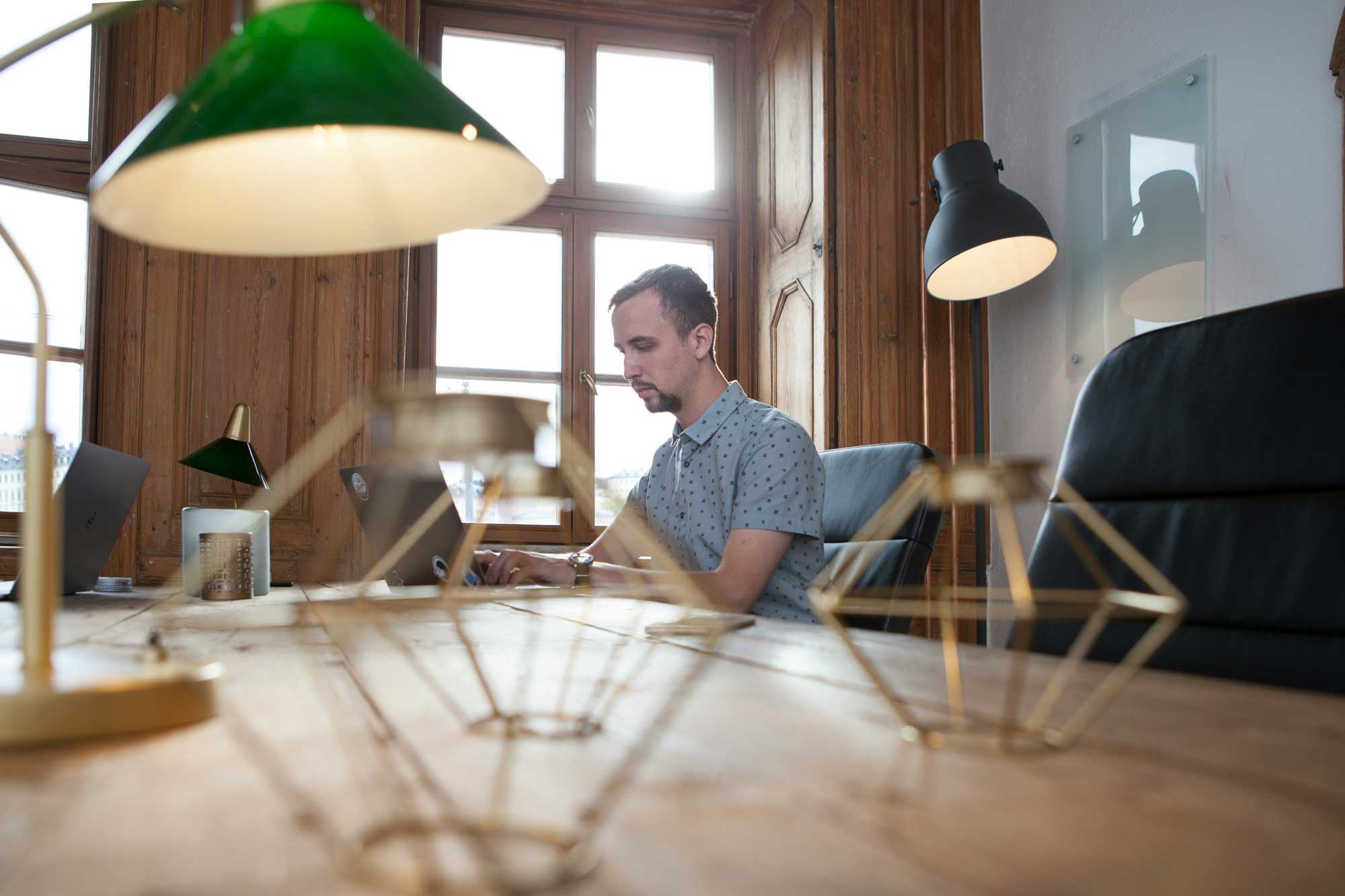
Lighting is one of the most impactful elements within any interior design project, yet it is often one of the most complex to specify. For interior designers working on commercial spaces, decorative lighting must balance aesthetics, performance, and practicality.
From hospitality venues to retail environments and workplace interiors, selecting the right lighting is critical to achieving a cohesive and successful scheme.
The role of decorative lighting in commercial interiors
Decorative lighting is no longer just an accessory. In many commercial projects, it acts as a focal point, helping to define the identity of a space.
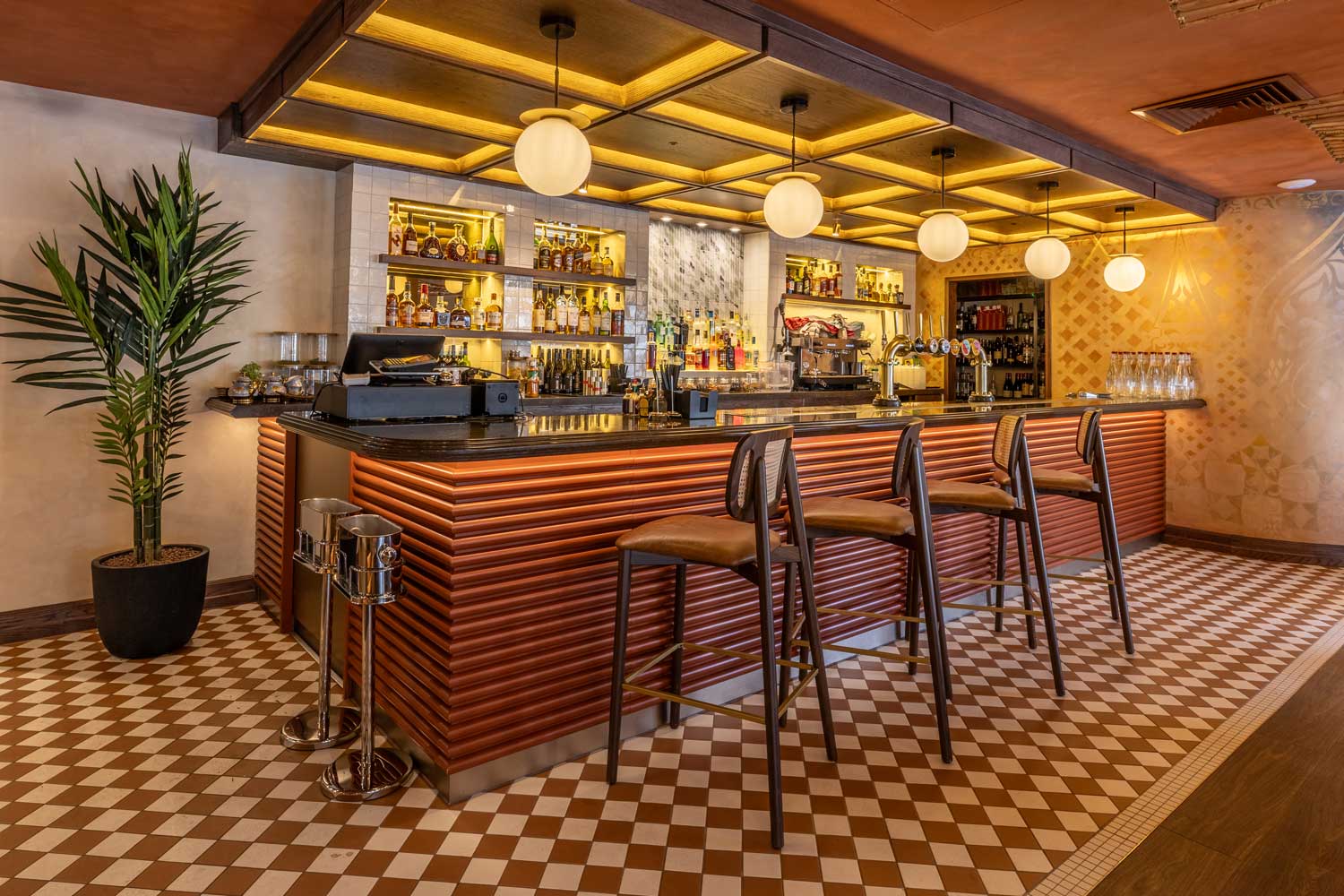
Pendant lighting, wall lights, and feature fittings are often used to anchor key areas such as reception desks, dining spaces, or bar areas. These fittings contribute to the overall design narrative while also providing functional illumination.
For interior designers, the challenge is selecting lighting that complements materials, finishes, and spatial layout, while also meeting technical requirements.
Balancing design intent with performance
In commercial lighting design, aesthetics must always be supported by performance. A fitting may look striking, but if it does not provide the right level or quality of light, it will not work within the scheme.
Key considerations include:
- Light output and distribution
- Glare control
- Colour temperature
- Durability for high-traffic environments
For hospitality and retail projects, warm lighting is often preferred to create a welcoming atmosphere. In contrast, more neutral lighting may be suitable for workspace environments.
Working with lighting suppliers in the UK
For interior designers, working with the right lighting supplier is essential. A knowledgeable supplier can support specification decisions, provide technical guidance, and ensure products meet project requirements.
Choosing a UK-based lighting supplier also offers practical benefits, including:
- Faster lead times
- Clear communication and support
- Alignment with UK standards and regulations
At Chantelle Lighting, we regularly work with interior designers and specifiers to provide decorative lighting solutions tailored to commercial projects.
Consistency across the lighting scheme
One of the key challenges in commercial interiors is maintaining consistency. While different areas may require different types of lighting, the overall scheme should feel cohesive.
This can be achieved through:
- Consistent finishes (e.g. brass, bronze, glass)
- Complementary forms and shapes
- Repetition of key design elements
A well-considered lighting scheme should feel intentional rather than fragmented.
Practical considerations for specification
In addition to design and performance, practical considerations are equally important.
Maintenance is a key factor in commercial environments. Lighting should be easy to clean, maintain, and replace where necessary. This is particularly important in hospitality settings where fittings may be exposed to frequent use.
Installation requirements should also be considered early in the design process. Working closely with contractors and suppliers helps ensure fittings are compatible with the overall build.
Supporting the client experience
Ultimately, the goal of any lighting scheme is to enhance the user experience. Whether it’s creating a welcoming restaurant, an engaging retail space, or a functional workplace, lighting plays a central role.
For interior designers, selecting the right decorative lighting is about more than aesthetics. It is about creating spaces that feel considered, functional, and commercially successful.